

If you’re a landlord exploring more stable and meaningful ways to let your property, social housing might be worth a closer look. At Living Redefined, we work with a wide range of housing providers across the UK – from supported living organisations to councils placing families in need.
Each provider has different requirements and understanding these can help you decide if your property is a good fit.
In this guide, we’ll explain the three main types of housing providers we work with, what kind of properties they need, and why so many landlords are choosing to work with them.
Supported Living Providers: Helping People With Additional Needs
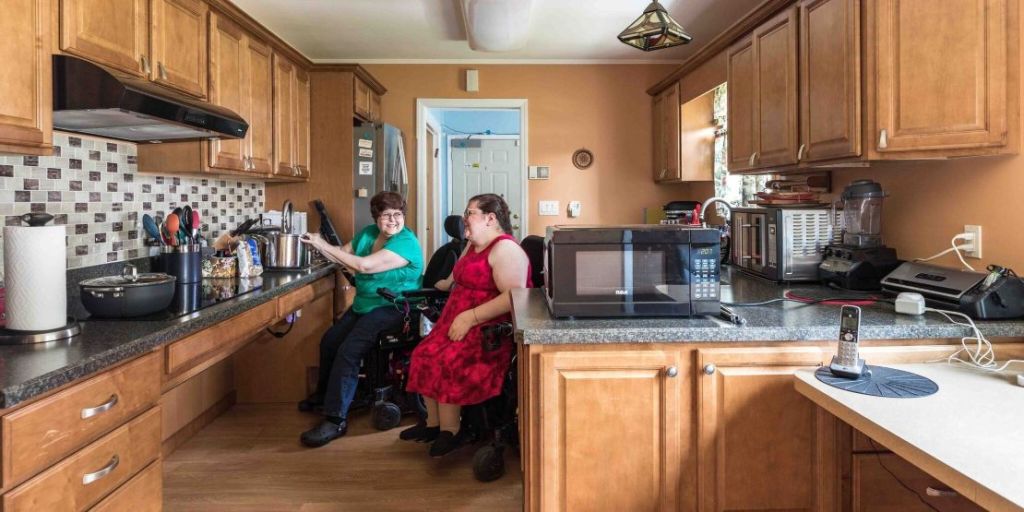
Supported Living providers work with people who have extra needs. This might include mental health conditions, autism, learning disabilities, or physical disabilities. These organisations don’t just offer housing – they also provide daily or weekly support.
Properties They Need:
- Shared Living Homes (3 to 7 bedrooms)
Each tenant has their own bedroom and shares common spaces like kitchens and lounges. En-suites are becoming more popular to support privacy. - Self-contained Apartment Blocks (6 to 12 one-bed flats)
Ideal for tenants with higher support needs. These often include on-site support staff. - Follow-on or Step Down Housing (1 or 2 beds)
For people moving on from more intensive care. This gives them more independence but still offers support when needed. - Specialist Accessible Housing
Think bungalows or flats designed for wheelchair users or those with mobility issues. These properties usually have wet rooms, step-free access, and wide doorways.
Why landlords choose this model:
- Long leases, typically 3 to 7 years
- Rent is still paid if the property is unoccupied
- Many providers handle internal repairs
- No letting agent or management fees
- Less involvement and fewer headaches
Social Housing Providers: Helping Families Facing Homelessness

Properties they need:
- 2 to 4 bed houses or maisonettes
- Flats with 2 or more bedrooms
- Good locations near schools, healthcare, and transport
- Available across the UK – councils often place families in more affordable areas
How the contracts work:
Temporary Accommodation Providers: A Safety Net in Crisis

Temporary Accommodation providers support councils by housing people in emergencies — often on the same day they become homeless. This includes families, individuals, and survivors of domestic abuse.
Properties they need:
- 1 to 4 bed houses and flats
- HMOs for single tenants
- Locations with high demand such as London, the Midlands, Kent, and cities in the North West and North East
- Properties that are basic, durable, and easy to maintain
These providers help councils avoid relying on expensive nightly hotels and offer people in crisis a more stable and dignified home.
Is It Worth It for Landlords?
Letting to housing providers isn’t always about maximising rent. In many cases, you may be offered below-market rent — especially when providers are funded through Local Housing Allowance (LHA).
But consider what you’re getting in return:
- Guaranteed rent paid consistently
- No letting or agent fees
- Little to no tenant management
- Fewer voids
- Reduced risk over the long term
In many cases, landlords find the net income is the same or higher than with traditional lets — without the usual stress.
Can Every Property Be Placed?
No. Not all properties will meet provider needs or local demand. That’s why we created the Living Redefined Community – a free space for landlords to stay up to date, learn about this sector, and hear about placement opportunities first.
Alternately, if you’re ready to explore whether your property could work for social or supported housing, submit your property below.